How to Save Money on Groceries With Cashback Apps in 2026
- Primary Signal: How to Save Money on Groceries With Cashback Apps in 2026
- Overview: Groceries are the biggest regular household expense, and a small stack of cashback apps can return real money every week. This guide compares Ibotta, Fetch, Checkout 51 and Rakuten...
- Verification: Analyzed and compiled by GetRichFree Store editorial monitoring desk.
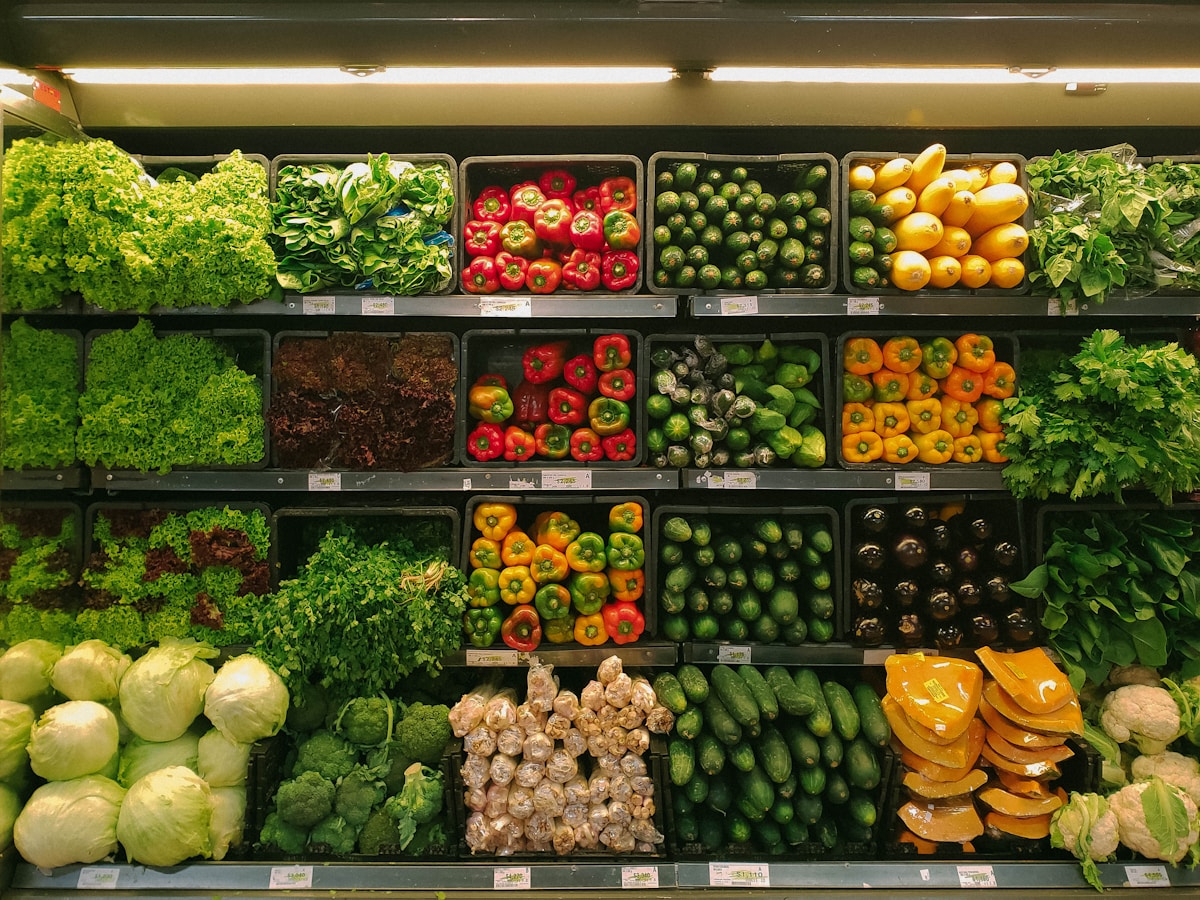
Groceries are the largest regular expense for most households, and they are also one of the easiest places to earn cash back, because you buy the same things every week. The trick is to stop treating grocery cashback as one app and start treating it as a stack: a rebate app for branded items, a receipt app for everything else, and a rewards card underneath it all. Done right, a normal weekly shop can return a few dollars every time, adding up to hundreds over a year.
This guide explains the best grocery cashback apps in 2026, how they work, and how to combine them without turning a 30-minute shop into a part-time job. The goal is a routine that takes ten minutes a week and pays for itself.
Ibotta: The Highest Rebates for Planned Shoppers
Ibotta is the strongest grocery cashback app for people who plan their shop. Before you go, you browse offers in the app and add rebates for specific brands, often 25 cents to 5 dollars per item, plus bonuses for completing sets of offers. After shopping, you verify by scanning the receipt or linking your store loyalty account. Cashback is real dollars, and you can withdraw to PayPal, your bank or gift cards once you reach 20 dollars. Grocery-heavy households routinely clear that threshold monthly. The downside is the effort: you need to check offers before you shop, and the best rebates are on branded items rather than basics.
Fetch Rewards: Points on Every Receipt
Fetch Rewards takes the opposite approach. Snap a photo of any receipt, grocery, pharmacy, restaurant or hardware, and earn points, with at least 25 points per receipt and bigger bonuses on featured brands. One thousand points are worth about a dollar in gift cards, and the first redemption starts at just 3 dollars. Fetch pays less per shop than Ibotta, but it asks for almost nothing: no pre-selecting offers, no planning. Treat it as the bottom layer of your stack. Every receipt goes through Fetch after the higher-value apps have had their turn.
Checkout 51 and Rakuten for Online Orders
Checkout 51 publishes a weekly list of grocery cashback offers, including fresh produce, which most rebate apps ignore. You upload a receipt after buying to claim them, and the 20 dollar minimum is its main drawback for light shoppers. Rakuten suits online grocery orders: click through to a grocery delivery or pickup retailer and earn 1 to 10 percent back, with a browser extension that reminds you to activate it. Use Rakuten for online orders and Ibotta plus Fetch for in-store shops, and you cover both channels.
Stack the Apps Without Overspending
The stacking order matters. First, plan the shop with your store's own app and digital coupons. Second, check Ibotta for brand rebates on items already on your list. Third, pay with a rewards card that earns on groceries. Fourth, scan the receipt into Fetch and Checkout 51. Never buy an item just because it has a rebate: a 1 dollar rebate on a 4 dollar item you did not need is a 3 dollar loss. Track your monthly total in a notes app so you can see whether the stack is actually paying, and drop any app that costs more time than it returns.
Key Takeaways
- Ibotta pays the highest per-item grocery rebates, typically 25 cents to 5 dollars, with a 20 dollar cash-out minimum.
- Fetch Rewards pays points on any receipt with almost no effort, and gift cards start from about 3 dollars.
- Checkout 51 covers fresh produce, and Rakuten pays 1 to 10 percent on online grocery orders.
- Stack in order: store coupons, Ibotta rebates, a rewards card, then Fetch and Checkout 51 on the receipt.
- Never buy an item just for the rebate, and track your monthly total to see whether the stack pays.
Frequently Asked Questions
Q: How much can I really save with grocery cashback apps?
A: A typical household earns 20 to 60 dollars a month from a good stack, depending on spending and how consistently they use the apps.
Q: Can I use Ibotta and Fetch on the same receipt?
A: Yes. Ibotta pays rebates on specific items, while Fetch pays points on the whole receipt, so the same shop earns from both.
Q: Do grocery cashback apps work outside the US?
A: Most of the apps in this guide are US-focused. UK shoppers can use JamDoughnut and TopCashback gift card routes for supermarket cashback instead.
Q: What happens if I return an item?
A: Cashback on returned items is usually reversed, so only claim rebates on items you are keeping.
Grocery cashback works best as a quiet routine, not a hobby. Plan the shop, check Ibotta, pay with a rewards card, scan the receipt, and let the savings accumulate week after week.
More from GetRichFree Store