
How to Stack Cashback Apps for Up to 20% Back on One Purchase
One cashback app is leaving money behind. Stacking a portal, a rebate app, and a receipt app on the same purchase can return up to 20% without buying anything extra.
293 stories published in 2026
One cashback app is leaving money behind. Stacking a portal, a rebate app, and a receipt app on the same purchase can return up to 20% without buying anything extra.
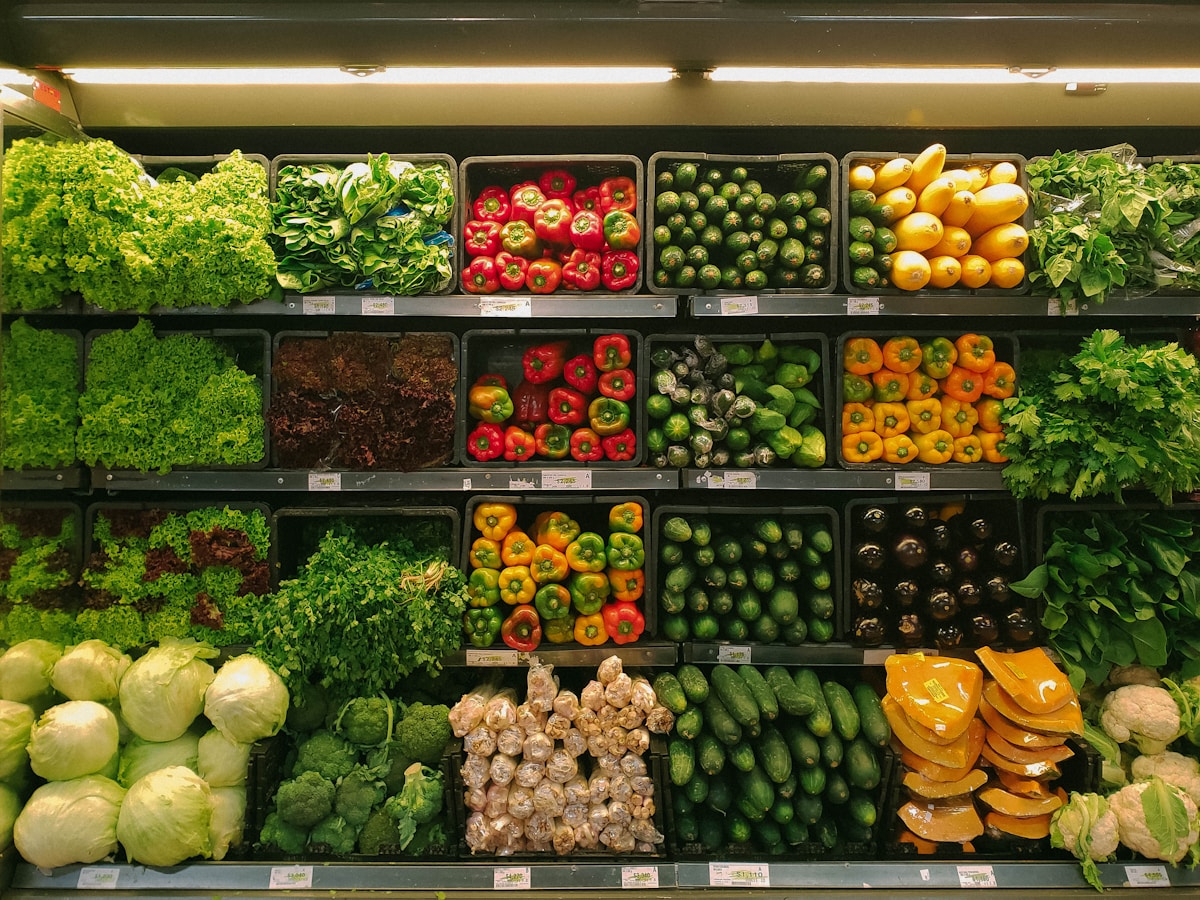
Paying for groceries with earned gift cards can cover 10% or more of your food bill. Here is the simple activate-scan-redeem routine that makes it work.

Pending rebates usually stall for predictable reasons: missed activation, bad receipt photos, or retailer confirmation time. Here is how to avoid each delay.
Many free checking accounts still charge you if your balance drops or you miss a deposit. Here is what truly free means and which fees to check before switching.
Free trials are built to be forgotten and then charged. Cancel immediately after signing up, or use a two-reminder system, and trials stay genuinely free.
Your receipts are worth money. Receipt apps turn everyday shopping receipts into points and gift cards, with no extra spending required.

Gas cashback apps plus grocery fuel points can cut 10-25 cents per gallon. Here is how to claim before you pay and stack the savings.

Holidays and car repairs feel like emergencies only because nobody saved for them monthly. A sinking fund fixes that with a small automatic transfer per expense.
An index fund is a fund that copies a market index like the S&P 500 instead of trying to beat it. That simple idea is why its fees are so low — here is the fee math in dollars.
Subscriptions quietly drain budgets because each one feels small. A regular audit, smart sharing, and seasonal pausing can cut the total sharply without giving up everything.
Stacking means combining a cashback portal, a rewards card, and a store offer on a single purchase. Done carefully, it turns ordinary shopping into real savings.
A budgeting app only works if you actually open it. The best free apps are simple, automate the boring parts, and show your spending clearly without overwhelming you.
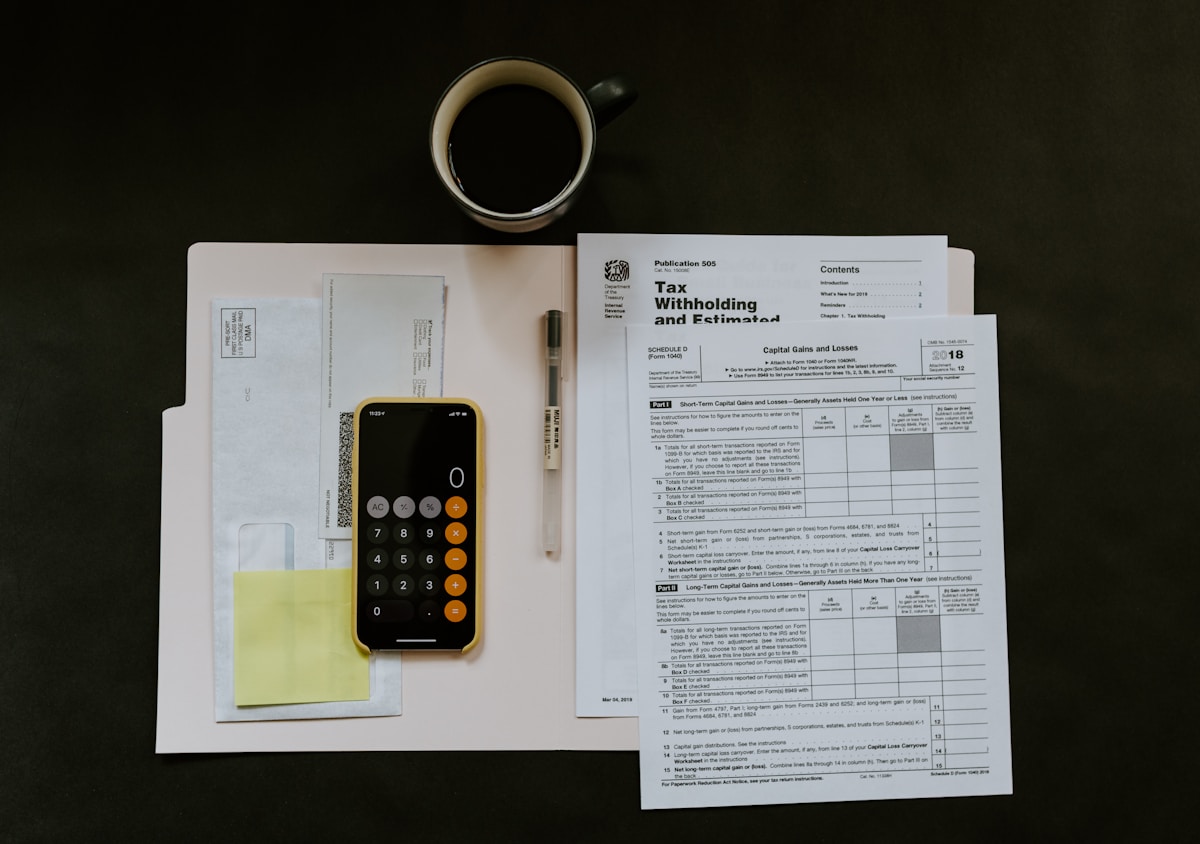
Most bills are negotiable if you ask the right way. A short, polite call mentioning competitor offers and loyalty can reduce phone, internet, and insurance costs.
You do not need coupon clipping to cut your grocery bill. Meal planning, store-brand swaps, and smarter shopping trips save more, with far less effort.
An emergency fund feels impossible on a tight income, but starting with a tiny, automatic amount builds a safety net faster than waiting for a perfect moment that never comes.
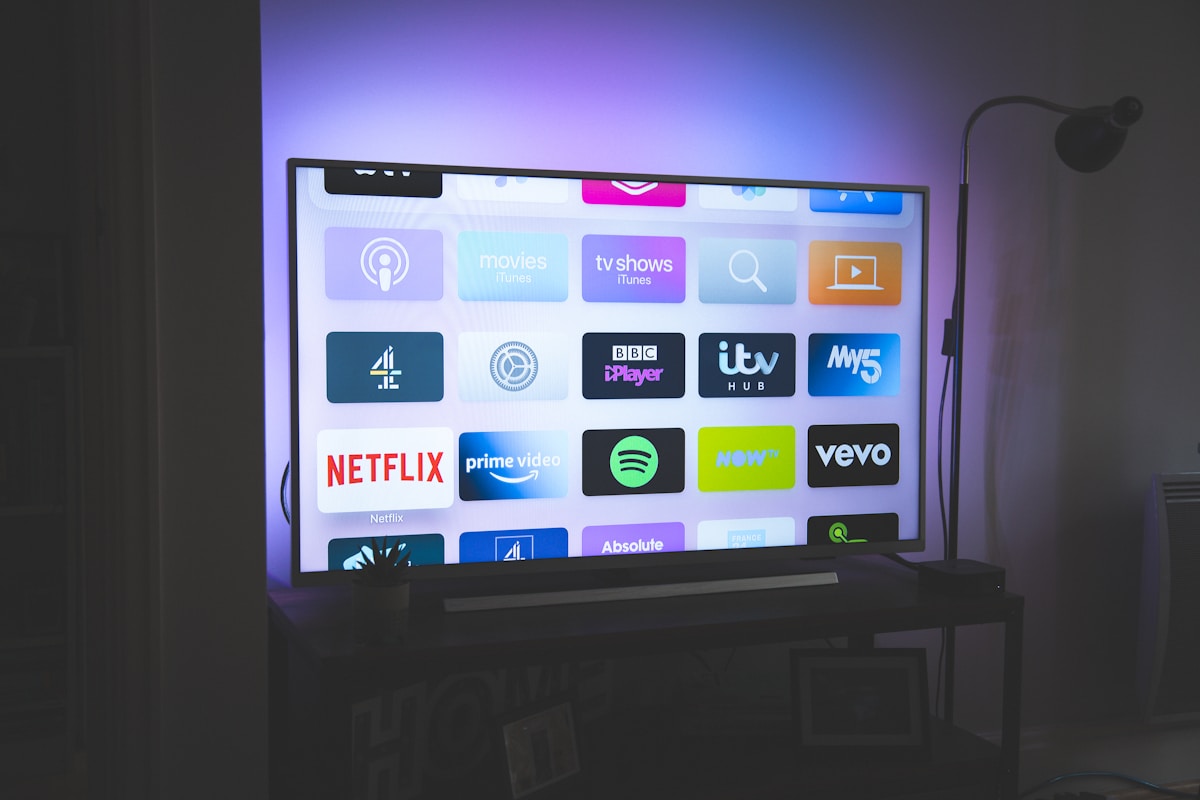
Streaming bundles can save money or waste it, depending on what you actually watch. Compare the bundle against your real viewing before committing.

Bank fees hide in monthly charges, ATM use, overdrafts, and minimum balance rules. Knowing where they come from lets you avoid most of them entirely.

Electricity savings come from heating, cooling, and everyday habits, not from sacrifice. Target the biggest energy users first and the bill drops noticeably.
The 52-week challenge builds savings gradually, week by week, until a year of small deposits becomes a meaningful fund. The trick is choosing a version you can sustain.

Elliptic estimates about $3.33B remains with the attacker beyond the reach of centralised freezes. The boundary between freezable and unfreezable assets defines the remaining loss from the estimated $6.3B hack.
Loyalty points are only savings if you buy what you planned anyway. A points-first shopping trip usually costs more than the points are worth.

Bulk packs look cheap until half the pens dry out unused. For most families, buying exactly what each child needs, at the right time, saves more.

A meal budget fails when it assumes perfect weeks. Build in a takeaway night, leftovers, and a buffer, and the plan survives busy days.
Generic brands can cut a grocery bill by a fifth or more, but not every swap is equal. Pantry staples usually win; a few products are worth the brand price.