How to Save on Groceries Without Coupons (Real Habits, Not Gimmicks)
- Primary Signal: How to Save on Groceries Without Coupons (Real Habits, Not Gimmicks)
- Overview: You do not need coupon clipping to cut your grocery bill. Meal planning, store-brand swaps, and smarter shopping trips save more, with far less effort....
- Verification: Analyzed and compiled by GetRichFree Store editorial monitoring desk.
Grocery spending is one of the largest flexible costs in most households, and it is also one of the easiest to reduce without feeling deprived. Couponing gets the attention, but the biggest savings come from ordinary habits: planning meals, shopping with a list, and avoiding the traps that stores set for impulse buyers. Grocery saving is mostly about planning and attention, not about coupons or deprivation, and those habits pay off every single week.
Meal planning is the single most effective step. Before shopping, decide what you will cook for the week, check what you already have, and build your list around those meals. Shoppers who plan waste less food, make fewer emergency trips, and buy fewer duplicates, and the savings from reduced waste alone often beat any coupon strategy. Shop with a list written at home, not one assembled in the store, because a home-written list reflects your meal plan while an in-store list tends to grow with every attractive display you pass.
Store brands deserve a fair trial. For staples like rice, pasta, canned goods, cleaning products, and basic dairy, store brands are often made in the same facilities as name brands and taste nearly identical. Trying one store-brand swap per trip is a low-risk way to find savings you will keep permanently, rather than chasing temporary deals. Keep a running list on your phone throughout the week, adding items as you run out, so shopping day starts with a complete list instead of a rushed guess.
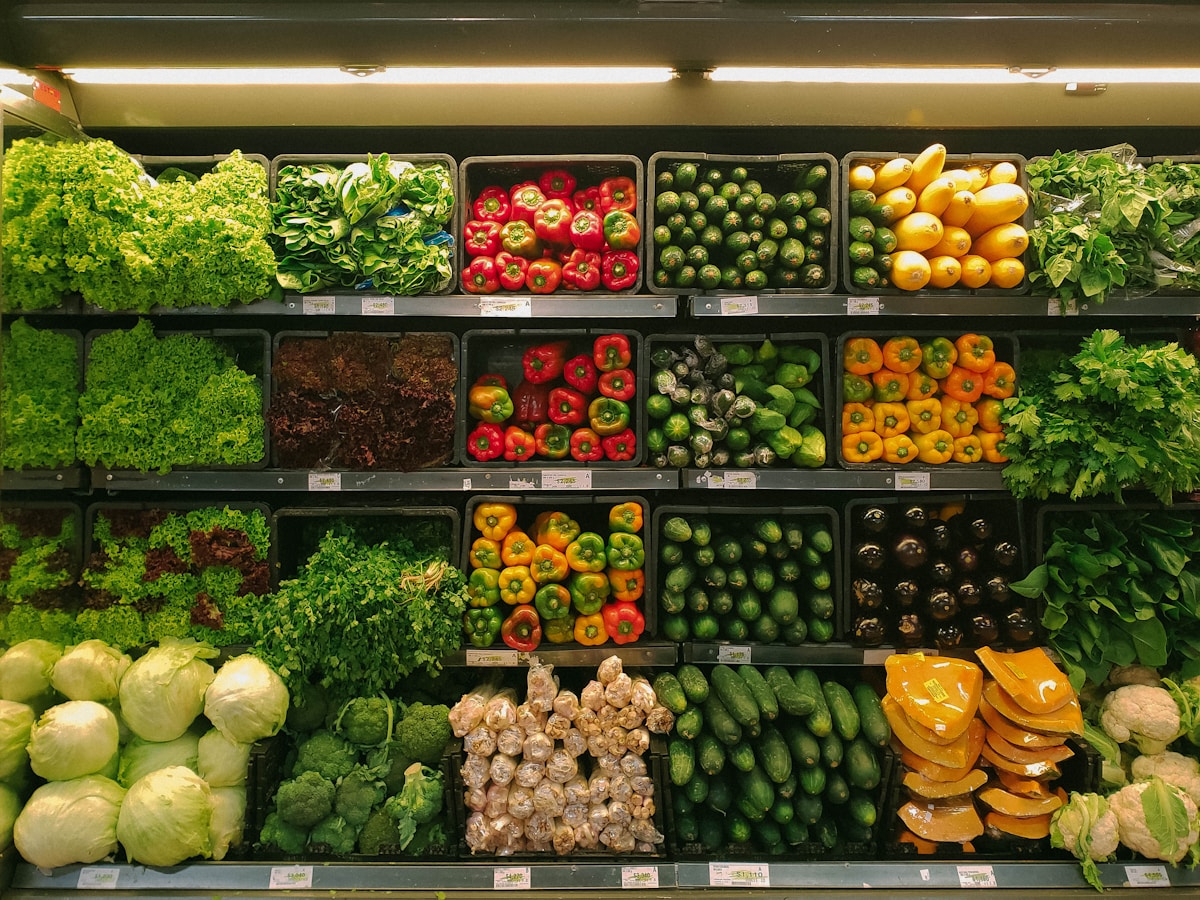
Shopping the perimeter and the seasons helps too. Fresh produce in season costs less and tastes better, while the centre aisles hold the most processed and heavily marketed items. You do not need to avoid the centre entirely, but building meals around seasonal produce and simple staples naturally lowers the total without a strict diet change.
Timing and frequency matter. Fewer, larger trips reduce impulse purchases compared with daily top-up visits, and shopping when you are not hungry prevents the snack-driven extras that inflate a bill. If your store offers a loyalty programme, use it for its automatic discounts, but do not let bonus offers push you into buying items outside your plan.
Freezing and batch cooking stretch your money further. Cooking double portions and freezing half turns one shopping trip into several meals, and freezing bread, fruit, and leftovers before they spoil cuts waste dramatically. A well-used freezer is one of the cheapest tools in a budget kitchen.
The mindset shift is simple: treat grocery shopping as a planned task, not a browsing activity. With a list, a plan, and a few smart swaps, most households can reduce grocery spending noticeably within a month, without coupons, without sacrifice, and without changing what they enjoy eating.
Unit pricing is the quiet skill that separates careful shoppers from bargain hunters, because the biggest-looking pack is not always the cheapest per unit, and sale signs do not always mean a genuine saving. Comparing price per weight or per item takes seconds once it becomes habit, and it protects you from packaging tricks that make a smaller product look like a better deal than it is.
Food waste deserves its own attention, since the average household throws away a noticeable share of what it buys, which is equivalent to throwing money directly into the bin. Using leftovers creatively, storing produce properly, and cooking flexible meals that absorb whatever is left in the fridge can cut waste sharply, and every meal rescued from waste is a meal you did not need to buy again. Plan one week's meals before your next shop and watch the difference it makes.
📖 Continue Reading the Full Story
Continue reading this article on GetRichFree Store.
⚡ Access Full Content NowMore from GetRichFree Store



 📈 FreeRich FIRE
Coast FIRE Calculator Guide: How Much You Need Saved to Stop Saving
Coast FIRE means saving enough early that compound growth carries you to retirement without further contributi...
 🎁 Get Rich Free
Ways to save money on groceries every week: A Step-by-Step Guide You Can Use This Week
This guide explains ways to save money on groceries every week in plain language, with practical steps, common...
 🐋 CryptoAce VIP
Operational Standard: Download Video TikTok Online Without Watermark (Day 21 Guide)
Establishing consistent quality with the Download Video TikTok Online Without Watermark on CryptoAce VIP. Disc...
 🚀 RocketCoin Casino
How Do Instant-Play Crypto Casino Games Work Without Downloads?
Instant-play crypto casino games run entirely in your browser with no downloads needed. Learn how HTML5 techno...