How to Cut Your Electricity Bill (Without Sitting in the Dark)
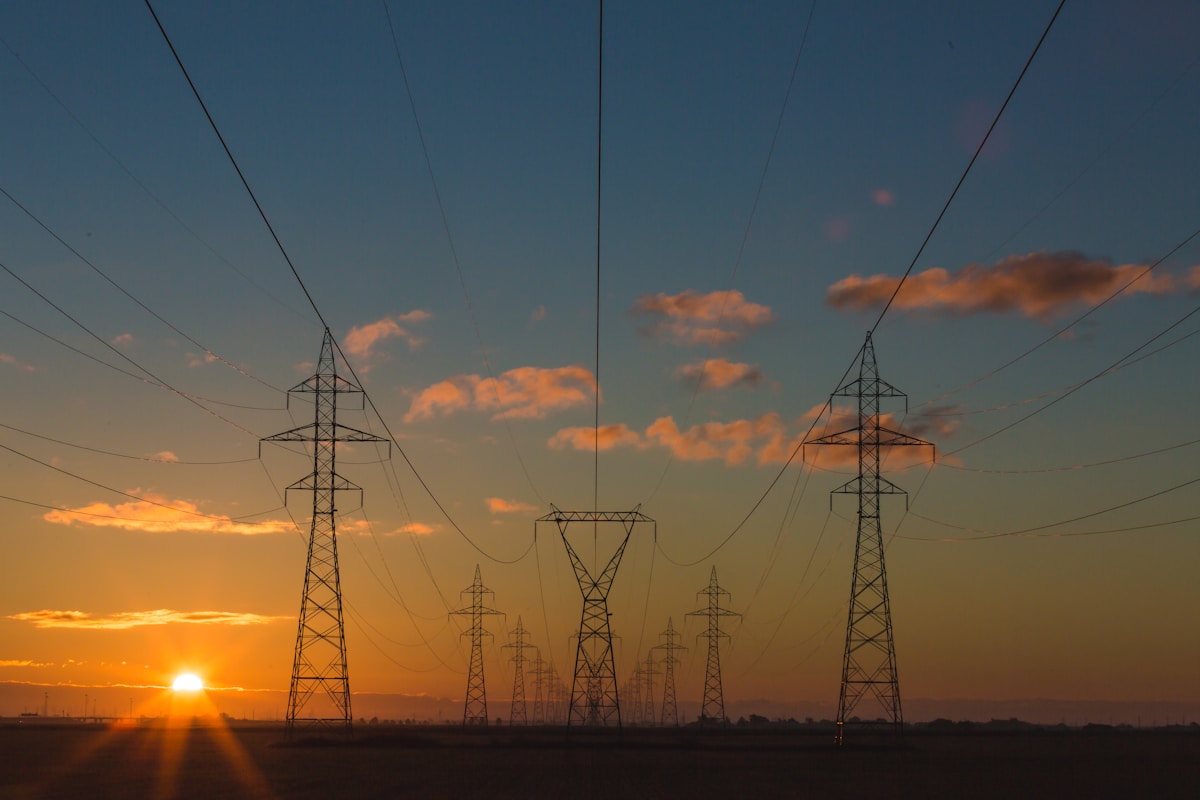
- Primary Signal: How to Cut Your Electricity Bill (Without Sitting in the Dark)
- Overview: Electricity savings come from heating, cooling, and everyday habits, not from sacrifice. Target the biggest energy users first and the bill drops noticeably....
- Verification: Analyzed and compiled by GetRichFree Store editorial monitoring desk.
Electricity bills feel stubborn, but most households can reduce them without any real sacrifice. The secret is targeting the biggest energy users first: heating and cooling, water heating, and large appliances, rather than obsessing over phone chargers. A few focused changes in those areas beat dozens of tiny ones everywhere else. Electricity savings reward the biggest changes first, so start with heating, cooling, and water, and let the small wins follow.
Heating and cooling dominate most bills. Adjusting your thermostat by just a couple of degrees, using curtains to block summer sun or trap winter warmth, and sealing obvious draughts around doors and windows can make a real difference. Programmable settings that reduce heating or cooling while you sleep or are away save energy without you noticing any change in comfort. Start with one room and one habit, such as shorter showers or a lower thermostat at night, because a single change that sticks beats five ambitious changes that are abandoned within a week.
Water heating is the second major cost. Shorter showers, washing clothes in cold water, and fixing dripping hot taps all reduce the energy used to heat water. If your water heater has a temperature setting, lowering it slightly to a safe level still provides comfortable hot water while using less energy every single day. Compare each bill with the same month last year rather than last month, because seasonal weather changes make month-to-month comparisons misleading and discouraging.
Large appliances reward attention. Running washing machines and dishwashers with full loads, using their eco settings, and cleaning filters regularly keeps them efficient. Older refrigerators and freezers are common energy hogs: checking their seals and keeping them at the right temperature, rather than colder than necessary, avoids wasted power.
Lighting has become cheaper to fix than ever. LED bulbs use a fraction of the energy of older bulbs and last far longer, so replacing the bulbs you use most often pays back quickly. Turning lights off in empty rooms remains worthwhile, but it is no longer the main event: lighting is now a small share of most bills compared with heating and appliances.
Standby power, often called vampire load, is real but modest. Devices left on standby, such as televisions, consoles, and chargers, draw small amounts continuously, and switching them off at the wall or using a power strip saves a little each month. It is worth doing, but it should not distract from the bigger wins in heating, cooling, and water.
Track your progress by comparing bills month to month and year to year, accounting for weather changes. Seeing a lower bill after a change reinforces the habit, and it shows which measures actually worked for your home. Electricity saving is a series of small, permanent improvements, and together they add up to a bill you will notice.
Smart plugs and timers offer a practical middle ground between constant vigilance and expensive home automation, because they let you schedule devices to switch off automatically without rewiring anything. Using a timer for a water heater, a plug for entertainment equipment, or a smart thermostat for heating can capture savings that depend on routine rather than memory, which makes them far more reliable than good intentions alone.
Talking to your energy supplier is also worthwhile, because tariffs change, discounts appear, and some suppliers offer free energy-saving advice or subsidised efficient bulbs and devices. A short call or website check once a year ensures you are on a competitive tariff, and switching suppliers, where the market allows it, can sometimes reduce the bill more than any behavioural change inside the home.
📖 Continue Reading the Full Story
Continue reading this article on GetRichFree Store.
⚡ Access Full Content NowMore from GetRichFree Store


 📈 FreeRich FIRE
Coast FIRE Calculator Guide: How Much You Need Saved to Stop Saving
Coast FIRE means saving enough early that compound growth carries you to retirement without further contributi...
 🐋 CryptoAce VIP
Operational Standard: Download Video TikTok Online Without Watermark (Day 21 Guide)
Establishing consistent quality with the Download Video TikTok Online Without Watermark on CryptoAce VIP. Disc...
 🚀 RocketCoin Casino
How Do Instant-Play Crypto Casino Games Work Without Downloads?
Instant-play crypto casino games run entirely in your browser with no downloads needed. Learn how HTML5 techno...
 📈 1UpTrade Live
Bitcoin Mining Electricity Cost: Is It Still Profitable in 2026?
Electricity is 70%+ of mining costs. Learn how to calculate your mining electricity cost, what rates make mini...